
Dog Rash Treatment
For mild cases, a cool oatmeal bath and keeping the area clean and dry can offer temporary relief, but orally, your veterinarian may recommend antihistamines or supplements to reduce inflammation as part of a broader dog rash treatment plan. At The Gentle Vet in Orlando, rashes are one of the most common reasons pet owners bring their dogs in for a skin check, and for good reason: a rash can point to anything from a minor irritation to a more serious underlying condition. Because so many things can cause a rash, from heat to allergies to infection, treating it correctly starts with knowing exactly what you’re dealing with. This blog walks through what causes dog rashes, effective treatment approaches, and when professional care becomes necessary.
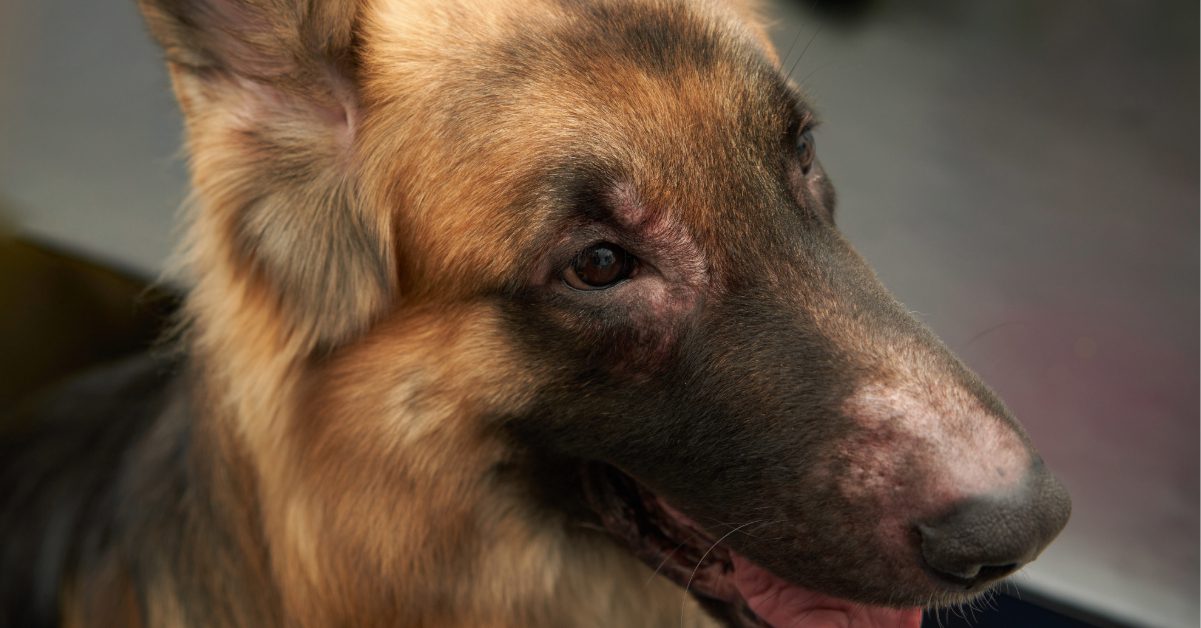
Dog Heat Rash Treatment
Orlando’s hot, humid climate makes heat rash a frequent concern for local dog owners. Heat rash develops when sweat and moisture become trapped against the skin, often in areas with friction like the armpits, groin, or neck folds. Effective dog heat rash treatment starts with cooling the area and reducing moisture buildup, and dogs with thick coats or skin folds tend to be at higher risk during Florida’s warmer months.
Signs of Heat Rash
- Small, red, irritated bumps in skin folds or friction areas
- Warmth or mild swelling around the affected patch
- Increased licking or scratching at the site
- Discomfort when the area is touched
What Home Remedies Can I Put on My Dog to Relieve Itching?
Cool compresses and gentle oatmeal-based rinses can offer short-term comfort for mild irritation. However, home remedies should never replace a proper diagnosis, especially if the rash spreads, worsens, or doesn’t improve within a day or two. Our veterinarians at The Gentle Vet can determine whether a rash is simple heat irritation or something that needs targeted treatment, which saves pet owners from spending time on remedies that won’t actually resolve the issue.
Allergic Reactions and Contact Dermatitis
Not every rash is heat-related. Dogs can develop contact dermatitis from exposure to certain plants, cleaning products, fabrics, or lawn treatments. These rashes often appear suddenly and are localized to the area that touched the irritant, which can make them easier to identify than allergy-related rashes that appear more broadly across the body.
Common Triggers of Contact Dermatitis
- Lawn chemicals or fertilizers
- New shampoos, detergents, or fabric softeners
- Certain plants and grasses common in Florida yards
- Flea collars or topical treatments
What Can I Give My Dog Orally for Itchy Skin?
Oral options like veterinarian-approved antihistamines or omega-3 supplements can help manage inflammation and discomfort from the inside out. Dosing and appropriateness vary significantly by dog size, health history, and the underlying cause of the rash, which is why a consultation with The Gentle Vet is the safest first step before giving your dog anything orally. What works safely for one dog may not be appropriate for another, particularly dogs with existing health conditions.
Bacterial and Yeast-Related Rashes
Some rashes develop because of an overgrowth of bacteria or yeast on the skin, often secondary to allergies or excess moisture. These rashes tend to have a distinct odor and may appear darker or greasier than a simple irritation, and they often require a different treatment approach than a straightforward heat rash or contact reaction.
Signs of a Bacterial or Yeast Rash
- A musty or yeasty smell coming from the skin
- Darkened or thickened patches of skin
- Greasy texture to the coat near the rash
- Rash that doesn’t resolve with basic care
How Rash Location Can Offer Clues
Where a rash appears on your dog’s body can help narrow down the likely cause, even before a formal diagnosis. Rashes in skin folds often point to heat or moisture, while rashes on the belly or paws may suggest contact dermatitis or an allergic response.
What Rash Location May Indicate
Rashes concentrated around the neck, armpits, or groin often relate to heat and friction, while patchy rashes appearing after outdoor time may point toward a plant or environmental trigger. A veterinary exam is still the most reliable way to confirm the cause.
When to Take Your Dog to the Emergency Vet
Most rashes are manageable, but certain signs call for immediate attention. Seek emergency care if your dog’s rash is spreading rapidly, accompanied by facial swelling, hives, difficulty breathing, or extreme lethargy. These symptoms can indicate a serious allergic reaction that requires urgent dog rash treatment beyond what home care can provide.
Tips for Preventing Rashes in Orlando’s Climate
Given Florida’s heat and humidity, prevention plays a major role in reducing how often your dog develops rashes.
Prevention Tips for Local Pet Owners
- Rinse your dog after time outdoors, especially after swimming or yard play
- Dry skin folds thoroughly after baths or humid days
- Use pet-safe, fragrance-free grooming products
- Keep up with flea and parasite prevention year-round
A Personalized Path to Healthier Skin
Rashes can stem from so many different sources that a one-size-fits-all treatment rarely works long term. The Gentle Vet’s approach focuses on identifying the specific cause behind your dog’s rash, whether it’s heat, allergens, or infection, so the treatment actually resolves the problem rather than masking it temporarily.
If your dog is dealing with a persistent or worsening rash, call us at (407) 505-5678 to schedule a visit with our team. We’ll get to the bottom of it and get your pup back to comfortable, healthy skin.
Recent Posts
About Us
At The Gentle Pet in Orlando, FL, we provide gentle, personalized veterinary care that supports each pet’s comfort, health, and quality of life. As a privately and family-owned practice, we take the time to help pets and their people feel cared for.