
Why is My Dog Losing Patches of Hair?
Dogs typically lose patches of hair due to allergies, parasites like mites or fleas, fungal infections such as ringworm, or hormonal imbalances, and identifying the exact cause is the first step toward effective treatment. At The Gentle Vet in Orlando, hair loss is one of the more concerning symptoms pet owners bring to us, mostly because it can signal so many different underlying conditions. Some causes are relatively simple to resolve, while others require ongoing management, which is why an accurate diagnosis matters so much before starting treatment. Below, we’ll explain the most common reasons dogs lose hair in patches and what treatment options are available.
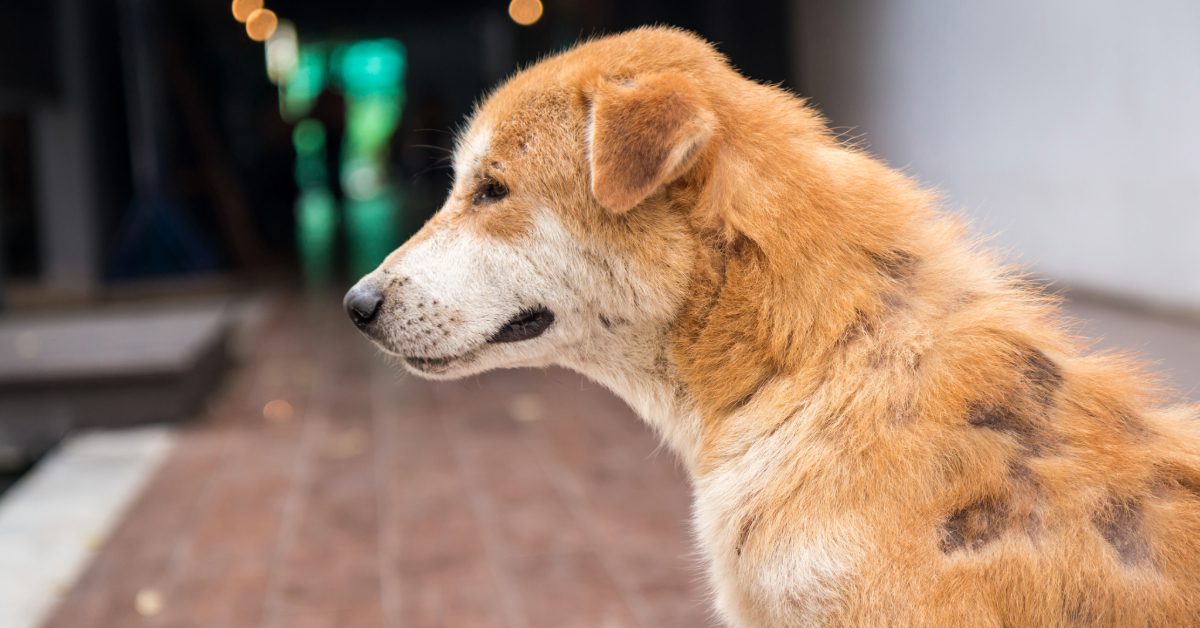
Dog Hair Loss Treatment
Effective dog hair loss treatment always starts with an accurate diagnosis. Since patchy hair loss, known as alopecia, can result from parasites, infections, allergies, or hormonal issues, treating the wrong cause won’t resolve the problem and may allow it to worsen or spread to other areas of the body.
Common Causes of Patchy Hair Loss
- Mange caused by mites, either demodectic or sarcoptic
- Ringworm, a contagious fungal infection
- Flea allergy dermatitis leading to excessive scratching and hair loss
- Hormonal imbalances such as hypothyroidism or Cushing’s disease
- Pressure sores or friction-related bald spots
Why is My Dog Losing Patches of Hair Around the Eyes or Face?
Facial hair loss often points to mange, particularly in younger dogs, or to an allergic reaction from environmental irritants. Because the skin around the face is thinner and more sensitive, it often shows symptoms before hair loss appears elsewhere on the body. Bringing your dog to The Gentle Vet for a skin scraping or diagnostic test can quickly identify whether mites, allergies, or another cause is responsible, which helps avoid weeks of uncertainty while trying unproven remedies.
Ringworm and Contagious Skin Conditions
Ringworm is a fungal infection, not an actual worm, and it’s a frequent cause of patchy, circular hair loss in dogs. It’s also contagious to other pets and to humans, which makes prompt diagnosis important for the whole household, not just the affected dog.
Signs That May Indicate Ringworm
- Circular, scaly patches of hair loss
- Redness or crusting around the bald areas
- Hair loss that spreads to new spots over time
- Mild itching, though not always present
Hormonal Causes of Hair Loss
Hormonal imbalances are a less obvious but common reason for hair loss in dogs, especially in middle-aged and senior pets. Conditions like hypothyroidism or Cushing’s disease affect hair growth cycles and often cause symmetrical patches of thinning rather than a single isolated spot, and these cases typically require ongoing management rather than a one-time treatment.
Signs Hormones May Be Involved
- Hair loss on both sides of the body symmetrically
- Thinning coat rather than distinct bald patches
- Accompanying weight gain, lethargy, or increased thirst
Age and Breed Considerations in Hair Loss
Certain patterns of hair loss are more common at specific life stages or in specific breeds. Puppies are more prone to mite-related hair loss, while older dogs more frequently experience hormonal or age-related thinning. Breeds with dense undercoats can also show seasonal shedding patterns that resemble, but differ from, true alopecia.
What Age and Breed Can Tell Us
Younger dogs losing hair in patches are more likely dealing with parasites or infection, while gradual thinning in senior dogs often points toward a hormonal or metabolic cause that develops over time.
When Does Hair Loss Require Urgent Attention?
While most hair loss isn’t a medical emergency, certain accompanying symptoms warrant prompt attention. Contact The Gentle Vet right away if hair loss is paired with open sores, significant pain, rapid spreading, or signs of systemic illness like vomiting or extreme fatigue.
Diagnosing the Cause at The Gentle Vet
Because so many conditions can cause a dog to lose hair in patches, our veterinarians rely on diagnostic tools like skin scrapings, fungal cultures, and bloodwork to pinpoint the exact issue. This diagnostic-first approach means your dog gets a treatment plan built around the actual cause, not a guess.
What to Expect During a Visit
- A thorough physical exam of the skin and coat
- Diagnostic testing based on the pattern of hair loss
- A treatment plan tailored to the confirmed diagnosis
- Follow-up care to monitor hair regrowth
Helping Your Dog’s Coat Recover
Once the underlying cause is identified, most dogs respond well to treatment and see hair regrowth within weeks to months, depending on the condition. Patience is important during recovery, since coat regrowth takes time even after the underlying issue resolves, and regrowth may look uneven or patchy before it fills back in completely. If you’ve noticed your dog losing patches of hair, call us at (407) 505-5678. Our team at The Gentle Vet in Orlando is ready to help you get answers and get your dog’s coat back on track.
Recent Posts
About Us
At The Gentle Pet in Orlando, FL, we provide gentle, personalized veterinary care that supports each pet’s comfort, health, and quality of life. As a privately and family-owned practice, we take the time to help pets and their people feel cared for.